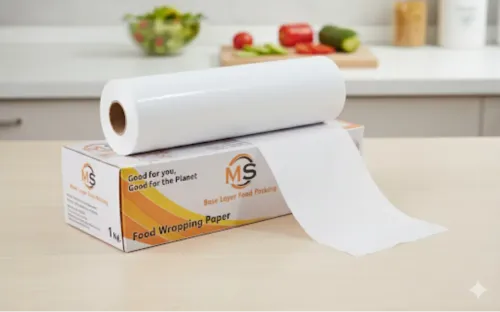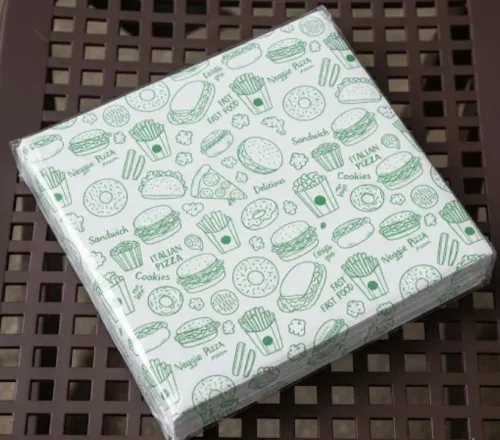
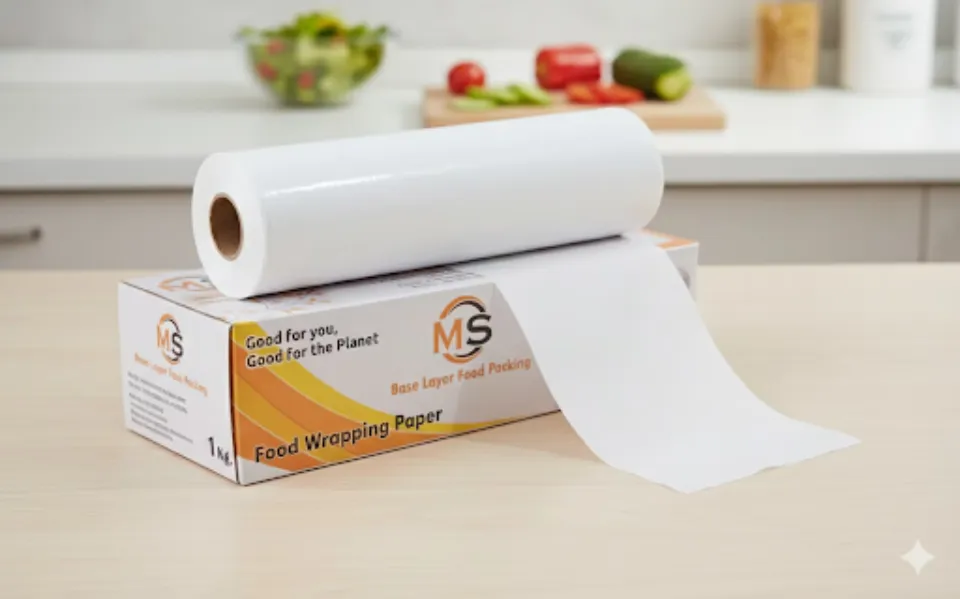
White butter paper rolls are used across food preparation and packaging environments where businesses need practical wrapping, separation, or lining material. Yet rolls that look similar at first glance can differ in dimensions, handling characteristics, and suitability for specific applications.
This makes supplier evaluation important when selecting a White Butter Paper Roll Manufacturer.
Start With Your Most Frequent Food Items
Packaging decisions should begin with actual products.
List the food items that account for the greatest packaging consumption. These may include sandwiches, bakery products, snacks, confectionery, takeaway items, or prepared foods.
Measure the approximate dimensions required for each application.
This prevents businesses from purchasing rolls simply because a particular width is commonly available.
Check Roll Dimensions Carefully
Width and length directly affect how efficiently a roll can be used.
If the width significantly exceeds the size required for most products, material can be wasted. If it is too narrow, staff may compensate by using additional pieces.
A practical roll width should work with the majority of the intended applications.
Consider Counter Space
Commercial kitchens often have limited working space.
Very large rolls may be inconvenient at compact preparation counters even when they offer a lower unit cost. Businesses should consider where the roll will be positioned and how frequently staff need to access it.
This is especially relevant for cloud kitchens and quick-service restaurants in Delhi, where multiple preparation activities may occur within relatively compact work areas.
Test Before Scaling the Order
When purchasing substantial quantities, testing the selected roll in the real working environment can be useful.
Allow employees to use it during normal service.
Observe whether:
- The width is practical
- Staff can handle it efficiently
- Cutting is convenient
- Excessive paper is being discarded
- The roll fits the intended workstation
- The format suits common food products
A short operational test can reveal more than a catalogue description.
Understand Bulk Packing
Ask how rolls are packed for commercial quantities.
Knowing the number of rolls per carton and approximate storage requirements helps procurement teams plan inventory space.
Wholesalers and retailers should additionally consider how the format fits downstream customer demand.
Discuss Repeat Requirements
If the business plans recurring purchases, explain this to the White Butter Paper Roll Manufacturer.
Repeat buyers generally benefit from keeping clear records of the specification they previously purchased. Product descriptions, dimensions, quantities, and order dates should be documented internally.
This reduces confusion during subsequent procurement.
Review Supply Alongside Price
Baselayer Food Packing supplies food packaging materials for different commercial requirements. Businesses evaluating the company should consider whether the available roll specifications align with their usage rather than relying on price alone.
A useful supplier evaluation considers product fit, ordering quantities, delivery planning, and consistency together.
Make Packaging Procurement Measurable
Packaging purchases become easier to manage when businesses track simple numbers.
Record monthly roll consumption, wastage observations, stock levels, and unusually busy periods. Over time, these figures provide a clearer picture of actual requirements.
Restaurants, bakeries, food retailers, caterers, and cloud kitchens throughout Delhi can use this information to improve ordering decisions.
A suitable white butter paper roll should ultimately fit three things at the same time — the food being packed, the employee handling it, and the business's consumption pattern. When all three are considered, bulk purchasing becomes considerably more efficient.
Keywords