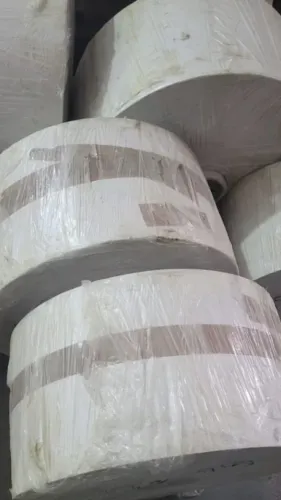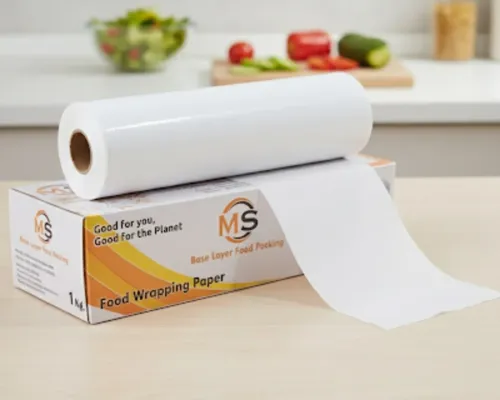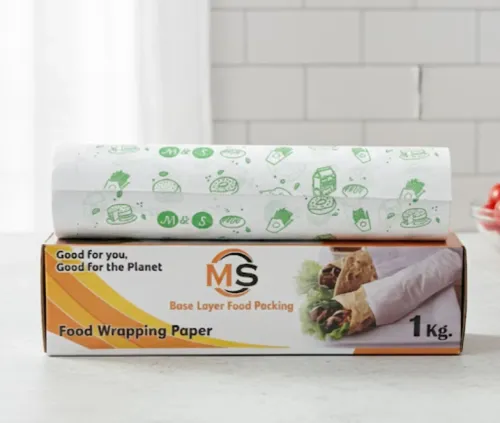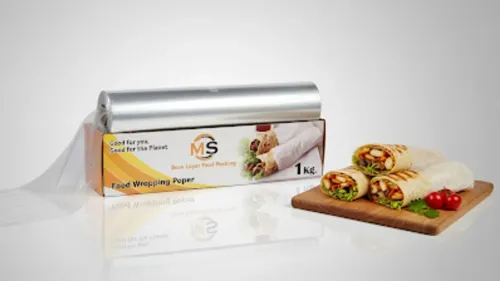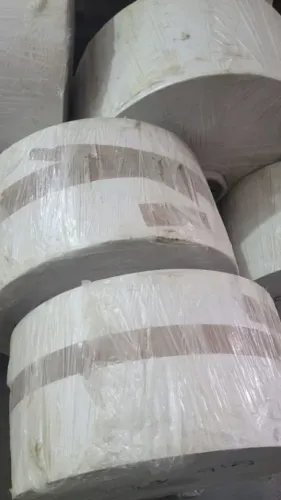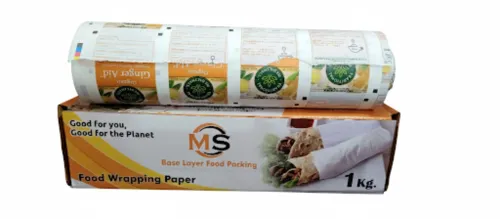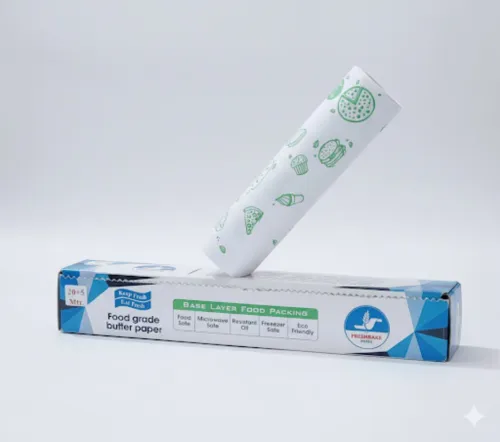

Aluminium-based food packaging is widely used because it can support wrapping, covering, storing, serving, and transporting different food products. Restaurants, caterers, bakeries, takeaway businesses, and commercial kitchens regularly use foil in their daily operations.
Understanding what to evaluate when dealing with a Foil paper Manufacturer helps buyers make better procurement decisions.
Why Aluminium Foil Is Common in Food Businesses
Foil provides a practical barrier and can be shaped around containers and food products. Depending on the application and specification, it may be used for cooked food, takeaway preparation, baking-related tasks, wrapping, and temporary food storage.
Commercial users often value it because it is easy to handle and suitable for a broad range of kitchen situations.
However, not every foil specification is intended for exactly the same task.
Thickness Influences Performance
One important consideration is foil thickness.
Very light foil may be sufficient for certain routine wrapping applications, while demanding handling situations may require a more substantial specification.
Buyers should avoid selecting foil purely from its appearance. Instead, they should discuss the intended application and relevant specifications with the supplier.
Width Should Match Daily Usage
Foil that is unnecessarily wide can create wastage when used for smaller items. Material that is too narrow may require overlapping sections.
Restaurants can review their common containers, trays, and food portions before selecting a roll or sheet width.
This simple measurement exercise can improve material utilisation.
Food Type Influences Packaging Decisions
Different foods create different packaging challenges.
A dry bakery item does not behave like a hot takeaway meal. Similarly, a food preparation environment using foil for tray covering has different requirements from a caterer using it for transportation.
Commercial kitchens should therefore assess:
- Food temperature
- Moisture
- Oil content
- Holding duration
- Container type
- Wrapping method
- Transportation conditions
Packaging decisions should reflect the complete use case.
Manufacturing Consistency Matters to Commercial Buyers
When a restaurant or catering business finds a packaging specification that works well, it generally expects subsequent supplies to perform similarly.
Consistency in dimensions and material specification can help staff work more efficiently.
Bulk buyers should therefore discuss repeat-order requirements with a Foil paper Manufacturer instead of treating each purchase as an isolated transaction.
Packaging and Transportation Need Attention
Foil products can be damaged when cartons are mishandled or exposed to unsuitable storage conditions.
Businesses should inspect deliveries for obvious damage and maintain packaging materials in a clean, protected storage area.
For Delhi's restaurants and catering businesses, where inventory may move through busy storage and preparation areas, proper handling can prevent avoidable material losses.
Responsible Procurement Starts With Clear Requirements
Baselayer Food Packing supplies food packaging products for different commercial users. Businesses assessing any manufacturer should communicate their required dimensions, quantities, usage pattern, and expected delivery frequency clearly.
This allows both parties to determine whether the available product is suitable.
Procurement becomes more effective when buyers understand what they are purchasing rather than simply requesting 'foil paper.'
Knowing the required dimensions, application, expected consumption, and handling conditions helps restaurants, cloud kitchens, bakeries, wholesalers, and retailers select packaging more systematically.
For businesses throughout Delhi and the surrounding regional food market, these details can ultimately influence material utilisation, kitchen efficiency, and procurement planning.
Keywords