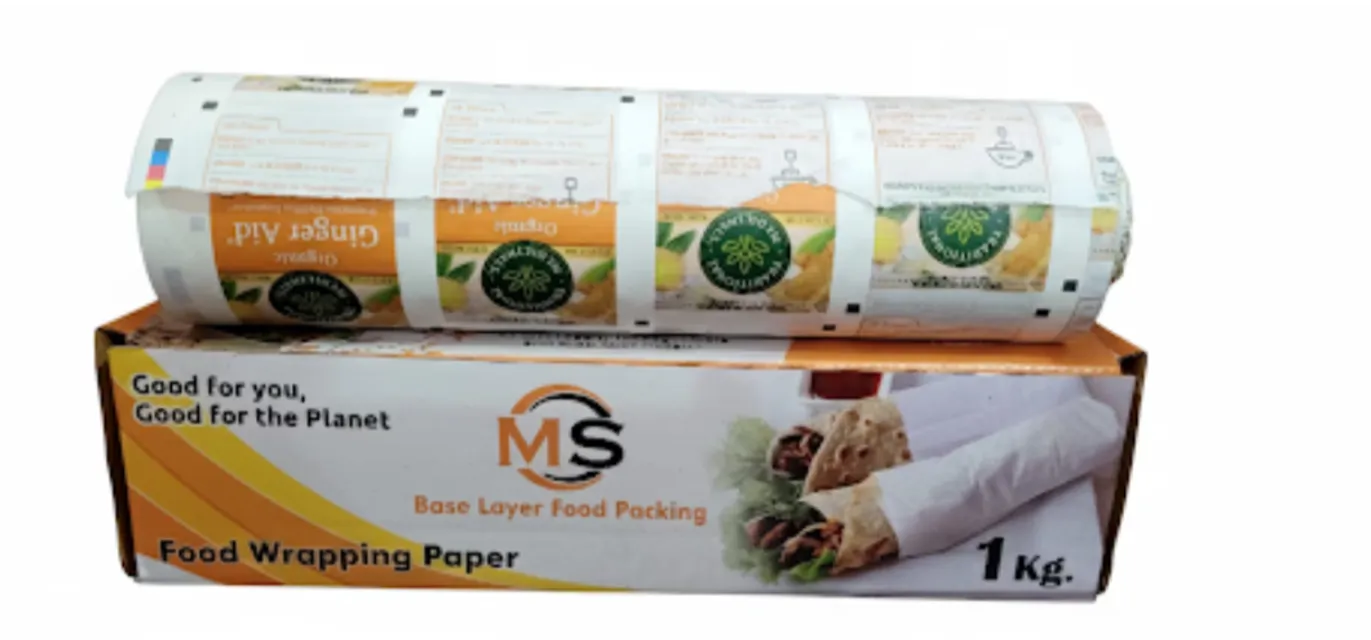
Bulk packaging purchases require more scrutiny than occasional retail buying. When hundreds of rolls may be used across restaurants, catering operations, distribution networks, or retail channels, an unsuitable specification can create considerable wastage.
Evaluating a butterpaper roll Manufacturer systematically helps reduce this risk.
Begin With Product Specifications
The first step is understanding exactly what is being offered.
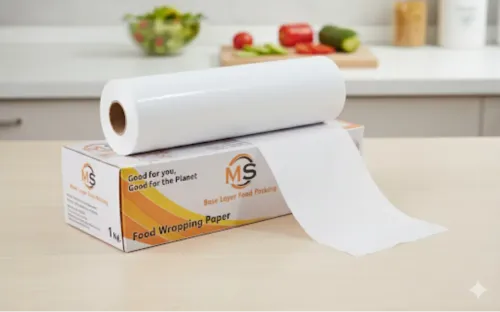
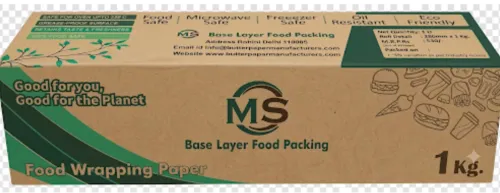
Ask for information relevant to your intended application, including dimensions, roll length, paper characteristics, packing configuration, and available quantity options.
Specifications make comparisons more meaningful than simply comparing quotations.
Check Whether the Roll Fits Your Workflow
The same roll may work well for one operation and poorly for another.
Restaurants may need convenient counter-based dispensing. Large caterers might prioritise volume. Retailers may need consumer-friendly formats, while distributors may focus on carton quantities and resale demand.
Evaluate the roll within your actual workflow.
Assess Material Utilisation
Packaging cost should be measured by usable output, not simply purchase price.
Suppose one roll costs slightly less but requires employees to use more material for each food item. The apparent saving may disappear through additional consumption.
Track approximately how many food portions can be wrapped from a typical roll under normal operating conditions.
Compare Sample Performance
For significant orders, sample evaluation can be useful.
Employees who actually handle the packaging should participate because they can identify practical issues procurement teams may overlook.
During a trial, consider:
- Ease of handling
- Suitability of width
- Cutting convenience
- Wrapping efficiency
- Paper consistency
- Compatibility with common food items
Feedback from daily users can improve purchasing decisions.
Review Supply Reliability
Delhi's food businesses can experience sharp changes in packaging demand during festivals, wedding seasons, promotional campaigns, and busy delivery periods.
A butterpaper roll Manufacturer should therefore be assessed on the ability to support the required quantities and reasonable replenishment schedules.
Ask about lead times before stock reaches critical levels.
Look Beyond the Lowest Quotation
Price matters, particularly for wholesalers and businesses consuming packaging in large quantities. But it should be considered alongside quality, material utilisation, supply consistency, and logistics.
An inexpensive product that produces excessive waste may ultimately cost more.
Likewise, inconsistent supply can force emergency purchasing at less favourable rates.
Examine Packing and Delivery Condition
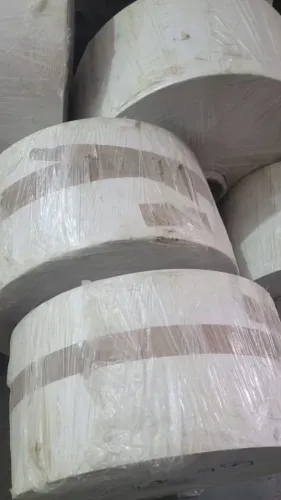
Packaging materials should arrive adequately protected.
Check cartons and rolls after delivery and report obvious damage promptly. Businesses should also establish a dry, clean storage area away from contamination risks.
This is particularly important for bulk orders because inventory may remain in storage for longer periods.
Evaluate the Supplier as a Long-Term Source
Baselayer Food Packing operates in the food packaging segment serving different commercial requirements. As with any potential supplier, buyers should evaluate its available products against their own operational standards.
Useful questions include whether specifications can be repeated, whether bulk quantities are available, and how ordering schedules are handled.
A supplier relationship becomes more valuable when both sides understand the expected product specification and purchasing pattern.
For restaurants, cloud kitchens, bakeries, wholesalers, and retailers in Delhi and across nearby markets, structured evaluation makes bulk procurement less dependent on guesswork.
The objective is not simply to find a roll at an attractive price. It is to source packaging that works consistently within the business while supporting sensible inventory levels, efficient handling, and predictable purchasing.
Keywords