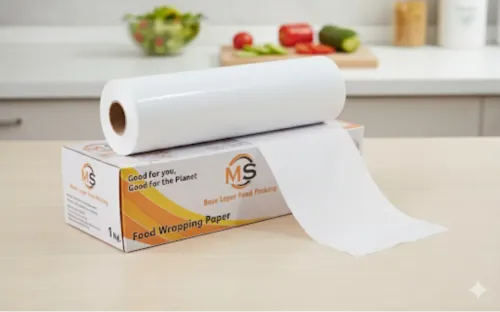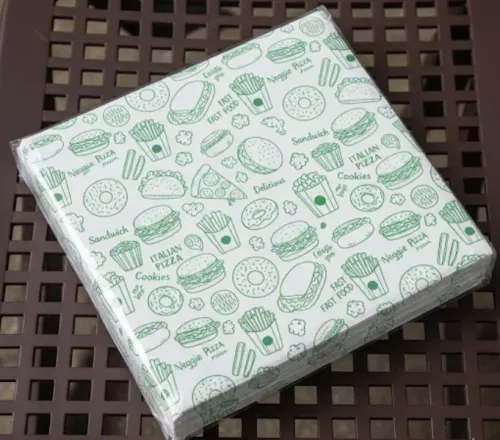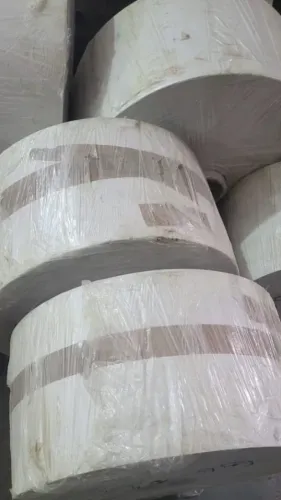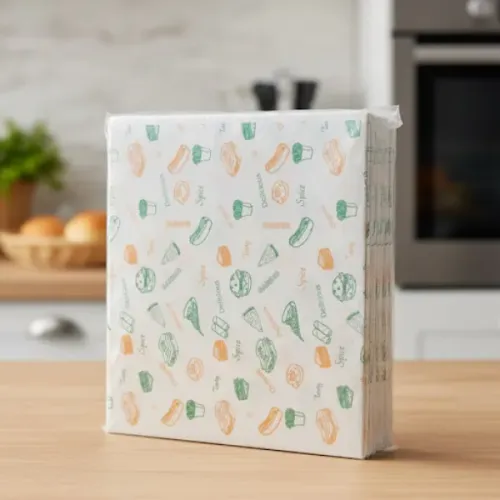
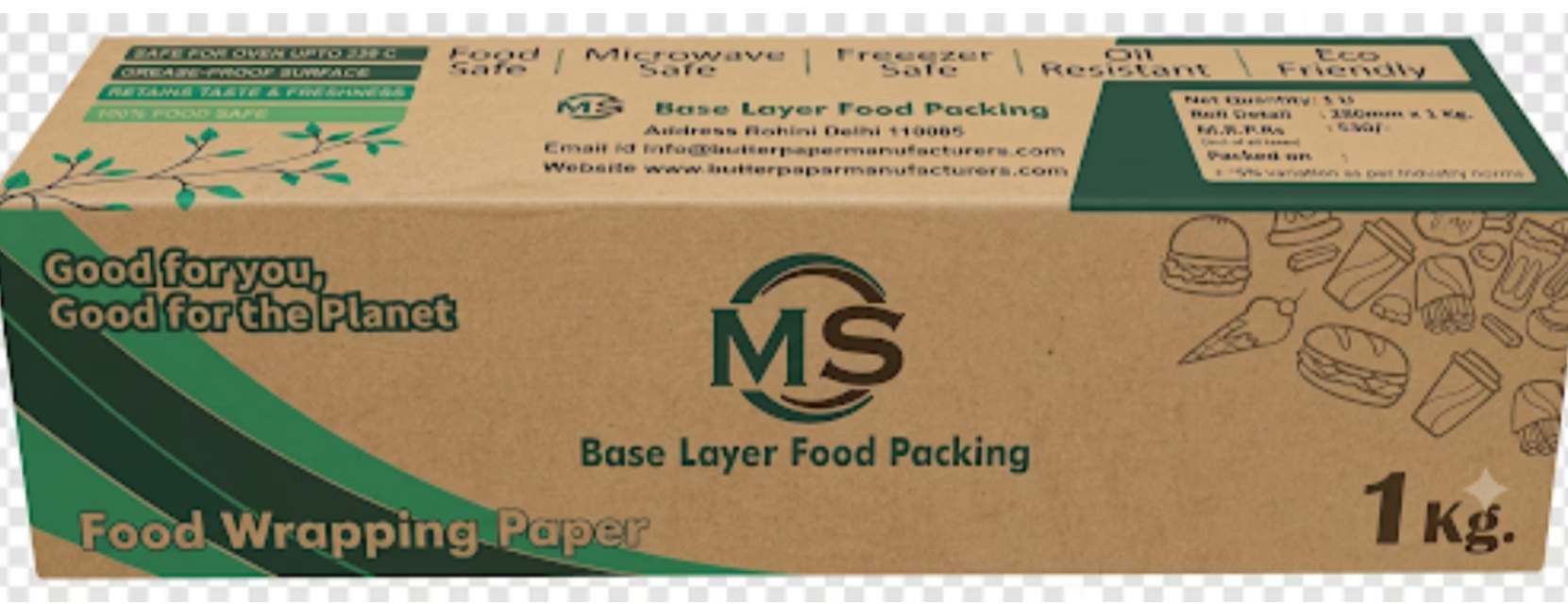
A high-volume kitchen can use a surprising amount of packaging material in a single day. When hundreds of takeaway meals, bakery products, snacks, sandwiches, or prepared foods move through the same workspace, even small inefficiencies in paper handling become noticeable. Choosing a Butterpaper Roll Wholesaler should therefore involve evaluating how well the supplier fits the kitchen's actual consumption pattern.
The goal is not simply to secure more rolls. It is to create a predictable packaging supply system.
Start with Daily Consumption Data
Before comparing wholesalers, record how much butter paper the kitchen actually uses.
Track consumption over several normal operating days and include weekends or peak periods where relevant. If multiple roll sizes are currently used, record each separately.
This information can reveal:
- Average daily consumption
- High-demand periods
- Frequently used roll dimensions
- Material wastage
- Typical reorder frequency
- Emergency purchasing patterns
Procurement decisions become much easier when they are based on usage rather than estimates.
Assess Whether the Roll Fits the Workflow
A roll that looks suitable on a specification sheet still needs to work efficiently in the kitchen.
Employees should be able to cut and handle the paper without unnecessary effort. The width should suit common food products, and the paper should perform appropriately for the intended wrapping or lining application.
When comparing a Butterpaper Roll Wholesaler, requesting specification details before committing to recurring bulk quantities can prevent operational inconvenience later.
Review Consistency Across Repeat Supplies
High-volume kitchens depend on standard procedures. If the material changes frequently, employees may need to adjust cutting lengths, wrapping techniques, or the amount of paper used.
Consistency in dimensions and general handling characteristics therefore matters.
Restaurants operating multiple branches across Delhi can face an additional challenge. If different outlets receive noticeably different materials, maintaining standardized packaging procedures becomes harder. Centralized purchasing around agreed specifications can improve consistency.
Compare Supply Reliability with Storage Capacity
Buying very large quantities can reduce the frequency of purchasing, but excessive inventory occupies valuable storage space.
The better approach is to balance:
- Consumption rate
- Supplier lead time
- Available storage
- Safety stock
- Seasonal demand
- Number of outlets
- Delivery frequency
A cloud kitchen with limited storage may benefit from more frequent planned replenishment. A distributor with warehouse capacity may prefer larger wholesale quantities.
Neither strategy is automatically superior.
Identify Signs of an Operationally Suitable Supplier
A useful wholesale relationship should provide clarity around available specifications and ordering conditions.
Buyers can ask whether the supplier can maintain recurring dimensions, accommodate different quantities, provide information about packaging configurations, and support planned replenishment.
Baselayer Food Packing supplies butter paper rolls and other food packaging materials from Delhi for commercial customers. Businesses assessing wholesale supply can improve purchasing decisions by sharing consumption data, product applications, preferred roll sizes, and expected ordering frequency.
A wholesaler should ultimately support the way the kitchen operates. When material dimensions, consumption, storage, and replenishment are considered together, packaging procurement becomes less reactive and easier to manage as order volumes increase.
Keywords