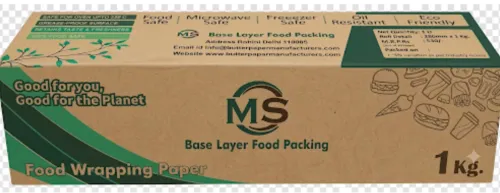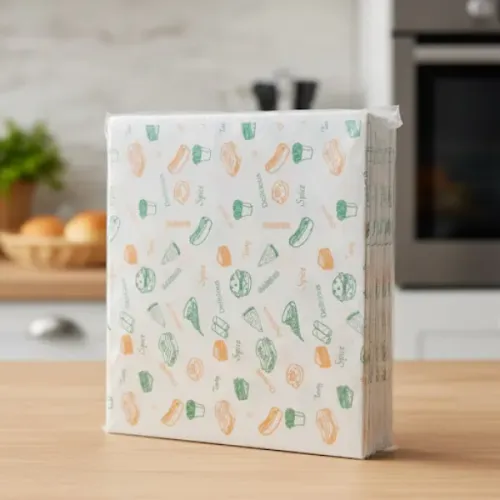
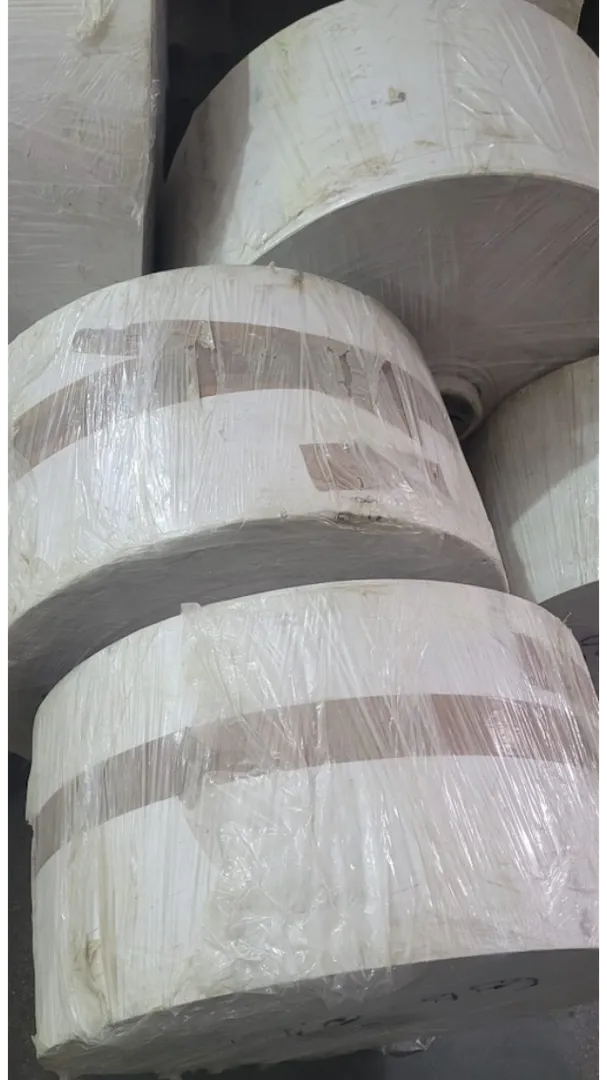
Large food packaging operations can consume substantial quantities of wrapping paper every day. Purchasing small rolls repeatedly may become inefficient when the material is being converted, cut, repacked, or used continuously. This is where working with a Butterpaper jumbo roll Supplier can become relevant.
Jumbo rolls are particularly useful for converters, wholesalers, food packaging distributors, large kitchens, and businesses that require greater volumes of material.
What Makes a Jumbo Roll Different
The main distinction is scale.
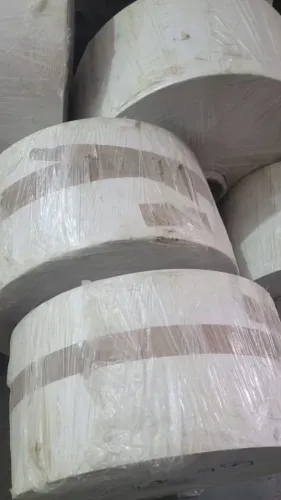
A jumbo roll contains substantially more material than smaller retail-oriented rolls and may be intended for further processing depending on its specification and application.
Businesses may use jumbo rolls when they need to:
- Convert paper into smaller rolls
- Produce predetermined sheet sizes
- Support continuous packaging operations
- Reduce frequent roll replacement
- Supply downstream retailers
- Maintain bulk packaging inventory
The suitability depends on equipment, handling capacity, storage space, and actual consumption.
High Consumption Changes Procurement Priorities
A small bakery might focus primarily on convenient roll size. A distributor purchasing bulk material has additional concerns.
Roll dimensions, core size, paper consistency, storage, transportation, conversion compatibility, and repeat supply can all become important.
For this reason, purchasing teams should provide accurate requirements when requesting quotations.
Conversion Efficiency Can Affect Material Usage
Businesses cutting jumbo rolls into smaller formats need to think about the final dimensions they intend to produce.
Poor size planning can increase trimming waste. Accurate planning can improve material utilisation.
For example, a packaging converter supplying restaurants may need several standard widths. Mapping these widths against available jumbo-roll dimensions before purchasing can help identify a practical configuration.
Handling Requires Proper Planning
Larger rolls can be heavier and more difficult to move than ordinary rolls. Appropriate handling procedures help protect both the material and employees.
Buyers should consider:
- Unloading arrangements
- Storage racks
- Material movement
- Roll protection
- Conversion equipment
- Inventory rotation
The packaging around the roll should also protect it against dust, moisture, and damage during transportation.
Consistency Matters for Repeat Production
A Butterpaper jumbo roll Supplier should be evaluated on more than the availability of large rolls.
Converters and bulk users benefit from predictable specifications because significant variation between batches can affect cutting, rewinding, wrapping, and downstream production.
Buyers can request relevant product information before committing to recurring quantities.
Buyers Have Diverse Requirements
Delhi has a large food service, wholesale, catering, manufacturing, and distribution ecosystem. This creates demand for packaging materials at very different scales.
A wholesaler supplying food markets may require inventory flexibility, while a cloud-kitchen network may focus more heavily on predictable consumption and scheduled replenishment.
Baselayer Food Packing operates within this packaging environment, supplying materials for commercial food-related requirements. The appropriate jumbo-roll format should ultimately be selected according to each buyer's processing and consumption needs.
Plan Purchases Around Actual Demand
Bulk purchasing works best when it is based on data rather than assumptions.
Businesses can record monthly consumption, seasonal fluctuations, order growth, and existing inventory. These figures make it easier to determine an appropriate reorder level.
A jumbo roll can reduce repeated procurement activity for suitable operations, but excessive purchasing can occupy valuable storage space.
The best approach is therefore balanced procurement. Buyers should match roll specifications and quantities with operational demand, storage capacity, conversion requirements, and expected usage.
For high-volume food packaging businesses in Delhi and nearby markets, this planning can make jumbo-roll procurement more efficient and predictable.
Keywords