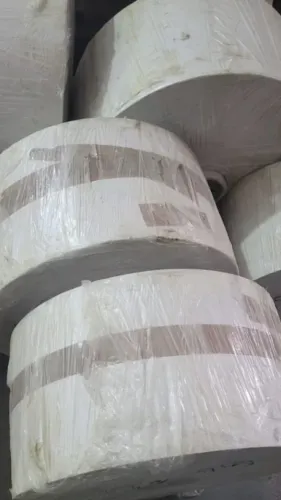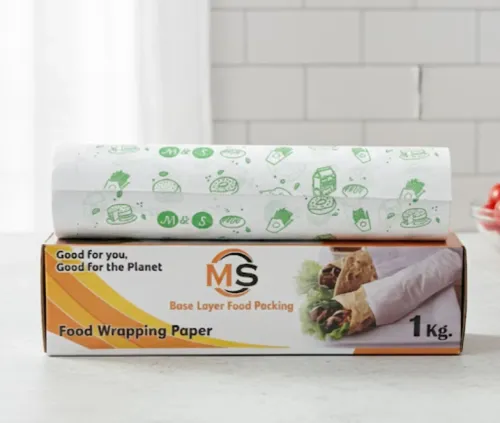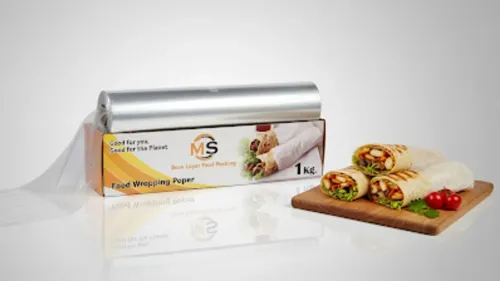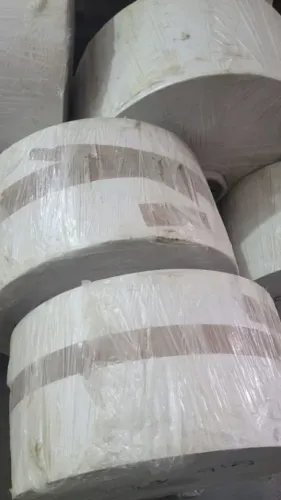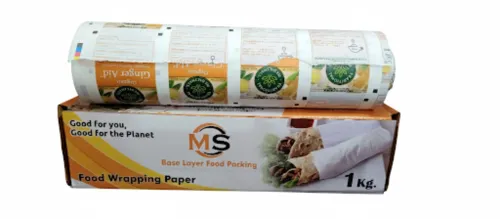
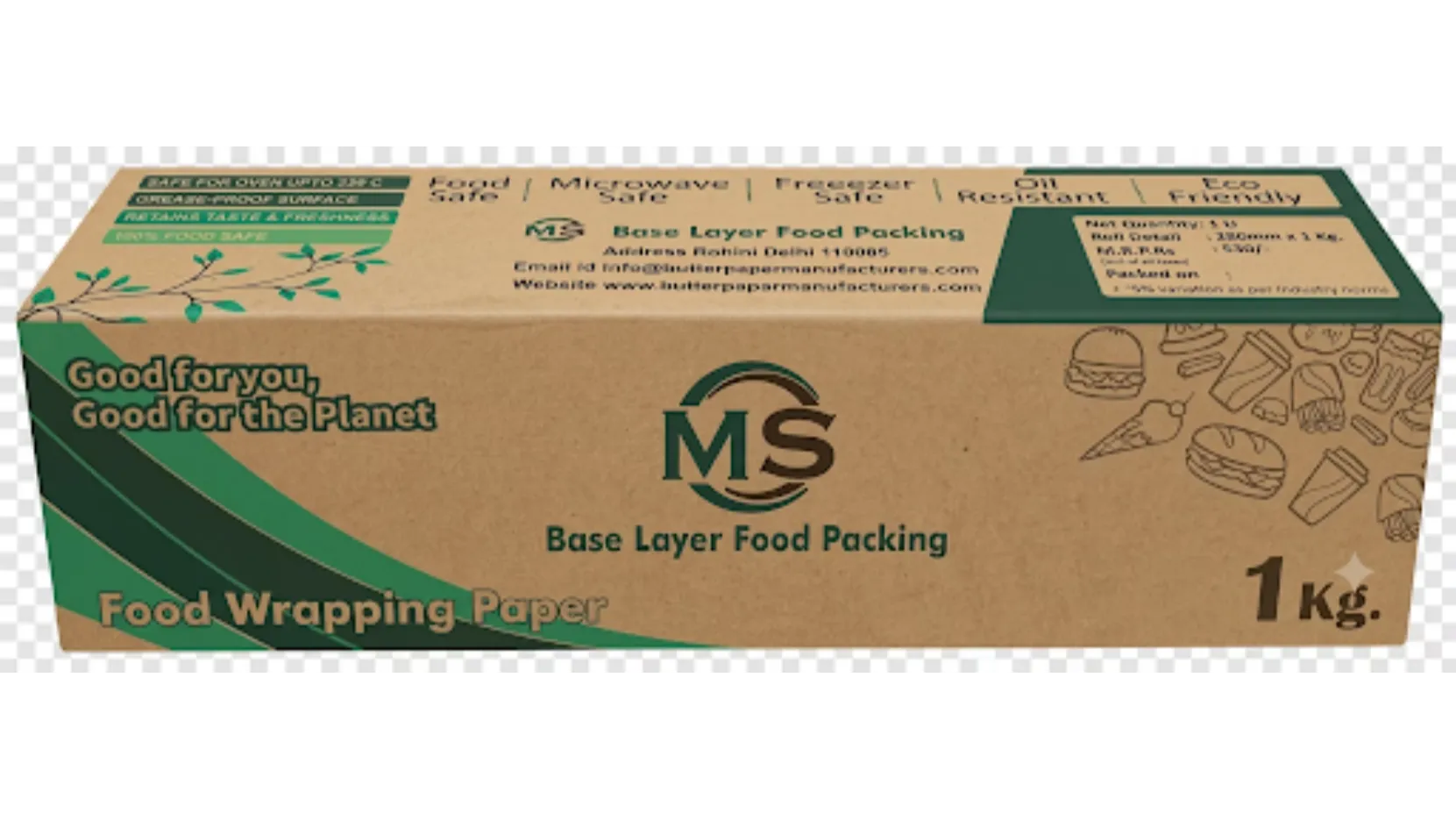
Food businesses depend on packaging materials for much more than presentation. The paper used to wrap, separate, store, and serve food can influence handling efficiency, grease management, product appearance, and day-to-day kitchen operations. This makes choosing a dependable Butterpaper roll Manufacturer an important sourcing decision for restaurants, bakeries, cloud kitchens, caterers, and food retailers.
In Delhi, where food businesses often handle high order volumes and diverse menus, packaging buyers need to look beyond the basic price per roll. Paper quality, roll dimensions, consistency, suitability for the intended food application, and supply reliability all deserve attention.
Understand How the Roll Will Be Used
A bakery may use butter paper to line trays, separate baked products, or wrap selected items. A quick-service restaurant may need it for burgers, sandwiches, snacks, and takeaway preparation.
Caterers and cloud kitchens can have completely different consumption patterns because their packaging demand changes according to order volume.
Before selecting a product, buyers should identify:
- Food items being packed
- Required sheet dimensions
- Daily consumption
- Grease exposure
- Storage requirements
- Cutting method
- Expected order frequency
These details help determine whether a particular roll specification is suitable.
Check Paper Consistency Across the Roll
Uniformity matters when butter paper is used repeatedly throughout the working day. Significant variations in thickness, finish, width, or overall quality can make wrapping less predictable.
For businesses processing hundreds of food orders, even small inconsistencies can become operational problems.
A suitable manufacturer should therefore be able to provide clear product specifications and maintain reasonable consistency between supplies.
Consider Roll Size Alongside Consumption
Buying a larger roll does not automatically make it more economical.
The appropriate roll size depends on how frequently the material is used and how staff handle it. A restaurant wrapping food at a preparation counter may have different requirements from a wholesaler purchasing rolls for resale.
Bulk buyers should calculate consumption over a week or month before finalising quantities. This can reduce unnecessary inventory while helping prevent sudden shortages.
Storage Conditions Also Matter
Food packaging materials should be stored in a clean and dry environment. Poor storage can affect paper condition before it reaches the preparation counter.
Businesses should keep rolls away from moisture, excessive heat, dust, and substances that may contaminate packaging materials.
This becomes particularly relevant for Delhi businesses maintaining larger inventories due to frequent takeaway and delivery orders.
Ask Practical Questions Before Ordering
Before finalising a Butterpaper roll Manufacturer, procurement teams can ask:
- What roll widths and lengths are available?
- Are different paper specifications offered?
- What is the minimum bulk quantity?
- Can repeat specifications be supplied consistently?
- What packaging is used during transportation?
- What lead time applies to larger quantities?
Clear answers make supplier evaluation considerably easier.
Baselayer Food Packing serves the food packaging market with products intended for different commercial requirements. Buyers evaluating the company should still match available specifications with their actual food application rather than choosing solely on price.
Look at Total Procurement Value
The lowest quotation may not always represent the lowest operating cost.
Incorrect dimensions can create material wastage. Inconsistent supply can interrupt packaging operations. Unsuitable rolls may slow staff during busy periods.
A better purchasing decision considers price alongside usability, specifications, quantity requirements, delivery planning, and consistency.
For restaurants, bakeries, caterers, retailers, and other food businesses across Delhi and the wider regional market, choosing the right butter paper supply begins with understanding actual usage. Once those requirements are clear, comparing manufacturers becomes a much more practical process.
Keywords