High-volume kitchens use packaging materials differently from households. A restaurant preparing hundreds of meals, a caterer handling a large event, and a cloud kitchen dispatching continuous delivery orders all require materials that fit their operating processes.
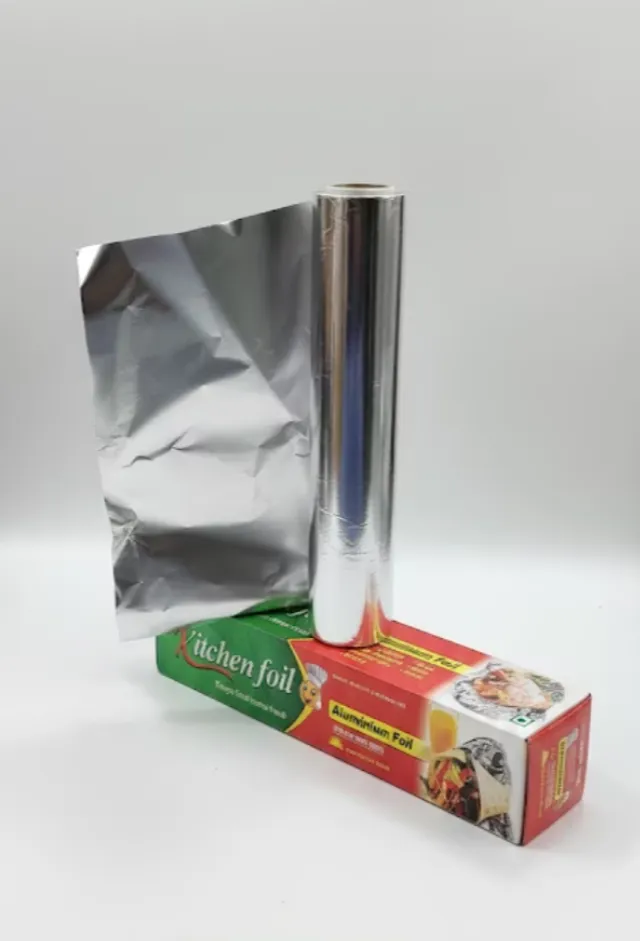
Selecting the right Aluminum Foil specification is therefore an operational decision as much as a purchasing one.
Identify Where Foil Is Actually Used
Begin with an internal usage review.
Foil may be used for covering containers, wrapping selected food products, supporting preparation tasks, protecting items during temporary storage, or assisting takeaway handling.
Different applications may require different dimensions.
Documenting them prevents procurement teams from treating all foil requirements as identical.
Measure Common Containers
Container dimensions are one of the easiest ways to improve foil utilisation.
If a business frequently covers trays, bowls, or food containers, measure the most commonly used formats. Select foil widths that provide adequate coverage without unnecessary excess.
This can reduce avoidable consumption.
Calculate Monthly Usage
Bulk buying becomes more effective when based on actual consumption.
Record the number of rolls or packs used each week. After several weeks, calculate an average and adjust for seasonal fluctuations.
Caterers should separately account for large events because these can distort normal weekly averages.
Set a Reorder Point
Waiting until stock is nearly finished creates unnecessary risk.
Businesses can establish a minimum inventory level based on average daily consumption and expected replenishment time.
For example, an operation with consistently high foil usage may maintain sufficient reserve stock to cover unexpected demand.
The appropriate level depends on available storage and ordering frequency.
Keep Storage Conditions Suitable
Foil should remain protected in its packaging until required.
Cartons should be stored in clean, dry areas where they are less likely to be crushed or exposed to contaminants.
In busy Delhi commercial kitchens, clearly designated packaging storage can also prevent stock from becoming mixed with unrelated supplies.
Train Employees to Reduce Waste
Material efficiency is not solely a procurement issue.
Employees should understand which foil size is appropriate for common tasks. Using excessive material for small items can significantly increase consumption over time.
Simple workstation guidance can improve consistency without slowing food preparation.
Review Packaging Consumption Alongside Sales
If takeaway sales rise by 10 percent but foil consumption rises by 30 percent, something may need investigation.
Possible reasons include new menu items, larger portions, different containers, employee handling practices, or material dimensions.
Tracking packaging usage alongside order volumes makes these changes easier to identify.
Baselayer Food Packing supplies food packaging materials for commercial buyers with varying requirements. Restaurants and bulk purchasers can assess available aluminium-based packaging according to their specific usage, dimensions, and ordering volumes.
Procurement Should Support Kitchen Efficiency
Delhi's restaurant, catering, and food delivery market requires businesses to balance speed, cost control, and reliable supply.
Packaging materials contribute to each of these areas.
Correct dimensions can reduce waste. Adequate stock can prevent disruption. Clear specifications can make repeat ordering easier.
For high-volume food businesses, aluminium foil should therefore be managed as a recurring operational input rather than an incidental purchase.
Understanding where it is used, how much is consumed, and which dimensions work best provides the foundation for more efficient bulk procurement.
Keywords