Bakeries handle products with very different textures, shapes, moisture levels, and presentation requirements. Cakes, cookies, pastries, breads, confectionery, sandwiches, and savoury products cannot always be packaged in exactly the same way.
Choosing a suitable Butter paper sheet Supplier therefore requires more than asking for a standard pack of sheets.
Identify the Actual Bakery Application
Start by listing where butter paper is currently used.
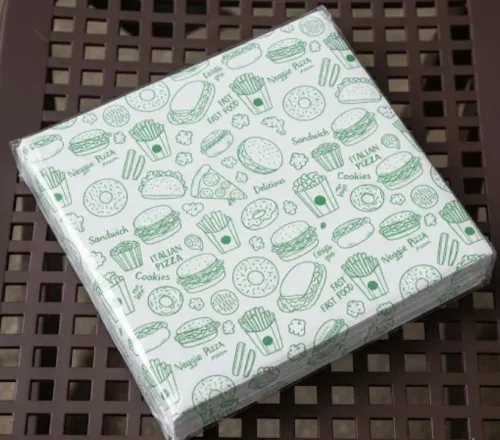
A bakery may require sheets for several tasks, including separating products, wrapping selected items, lining packaging, assisting food handling, and supporting display or takeaway preparation.
Once the applications are clear, the required dimensions become easier to determine.
Avoid Using One Size for Everything
Using a single sheet size across every product may simplify purchasing but can increase waste.
A small cookie or pastry may require considerably less paper than a large sandwich or baked item.
Businesses with high volumes should examine whether two or three standard dimensions could provide better material utilisation.
Consider Staff Handling
Packaging should support employees rather than complicate their work.
Sheets should be conveniently accessible at the preparation counter. If staff struggle to separate sheets or repeatedly need to fold excessive material, the selected format may not be ideal.
Ask bakery employees which dimensions work best during busy periods.
Their feedback can reveal practical issues that are difficult to identify from a specification sheet alone.
Calculate Consumption by Product Category
Instead of estimating total packaging use, divide consumption into categories.
For example:
- Pastry counter
- Bread section
- Savoury items
- Takeaway sandwiches
- Confectionery
- Online orders
This approach provides more accurate information about where paper is being consumed.
It can also help identify unnecessary usage.
Compare Cost Per Useful Application
Businesses often compare only pack prices.
A more useful calculation considers how many products can actually be packed from each pack of sheets. If correctly sized sheets reduce waste, a slightly different pack configuration may provide better overall value.
This matters for high-volume bakeries operating across Delhi, where even modest daily material savings can accumulate over a month.
Plan Inventory Around Sales Patterns
Bakery demand can fluctuate significantly.
Festivals, weddings, corporate gifting periods, weekends, and special occasions can increase both production and packaging consumption.
A Butter paper sheet Supplier should be informed about expected bulk requirements sufficiently early when possible.
Maintaining basic usage records can help businesses establish minimum stock levels and reorder points.
Check Product Information Before Finalising
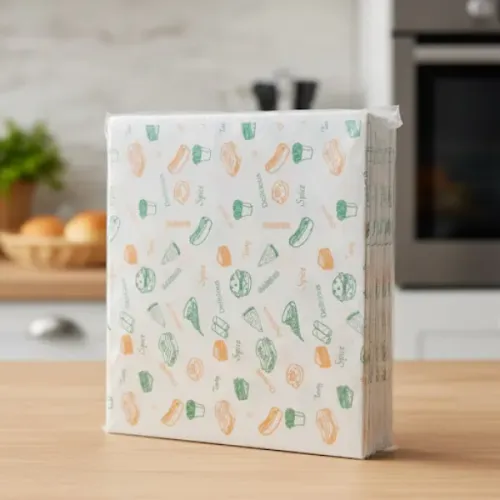
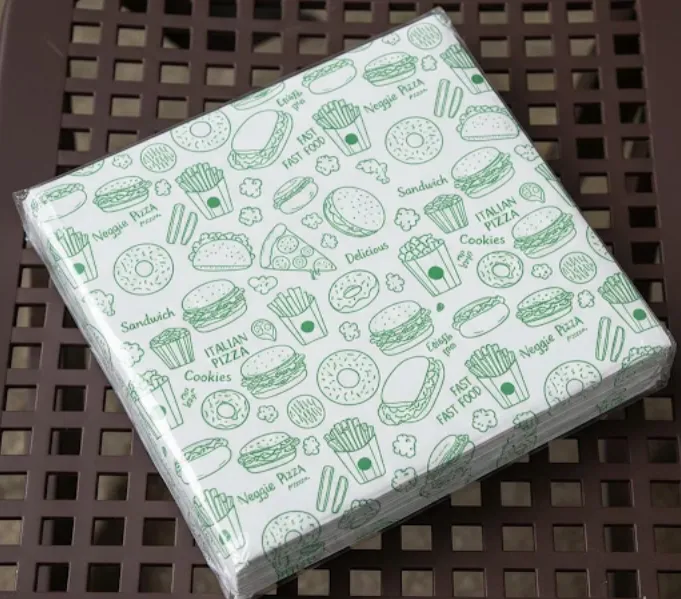
Buyers should understand the supplied sheet dimensions, packing quantity, intended applications, and other relevant specifications.
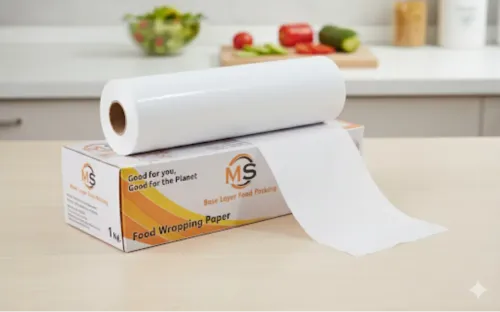
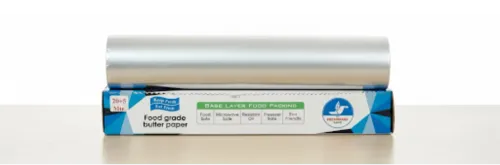
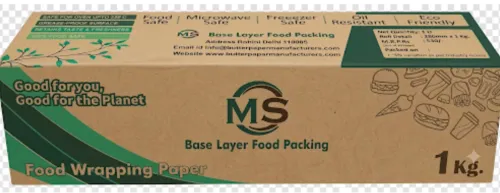
Baselayer Food Packing provides food packaging products for commercial users. Bakery owners considering the company can compare available butter paper formats against their menu, production volume, and packaging workflow.
The objective should be suitability rather than simply purchasing the largest available quantity.
Packaging Efficiency Supports the Entire Bakery
Good packaging procurement rarely attracts attention when everything works properly.
Employees have the material they need. Products can be handled efficiently. Stock levels remain predictable. Waste stays manageable.
Problems become obvious only when sheets are incorrectly sized, supplies run low, or excessive material is being consumed.
For bakeries in Delhi and businesses supplying bakery products throughout the regional market, reviewing butter paper requirements periodically is therefore worthwhile. Menu changes, order growth, and increasing delivery demand can all change packaging needs.
Selecting the right sheet format and dependable supply arrangement helps keep everyday bakery operations more organised.
Keywords